Featured
Table of Contents
Particularly CMOs and those accountable for a business's marketing success. AI-generated answers seem like a direct threat to the conventional natural traffic sites used to receive from search engines. Before, you had to click a website to see the results. Today, LLMs just rip the material on sites and individuals no longer need to go to a site anymore.
While I personally believe this hazard is blown completely out of proportion (based upon information from sites I have actually personally seen), I don't believe it's a reason to overlook it completely. From my own experience growing both blog sites and YouTube channels, especially to offer something, I can tell you that video converts way more than composed material.
And the audience can detect more subtleties in your message. It's a lot much easier to tell if someone is lying or filled with it if you can see their facial expressions and their intonation. So YouTube should certainly remain in your SEO and material strategy. Use video as demand generation and a way to construct trust with an audience.
And since you have actually built the trust with video, your standard SEO efforts will convert better. But there's even more to it. Earlier this year, I had an inkling that if I turned a few of my best ranking blog site posts into YouTube videos, and embedded them into my existing blog posts, my post would rank even much better.
Analyzing Old SEO Vs Modern AI Search MethodsI made a YouTube video about the subject, embedded it into that blog site post, and I have actually been ranking # 1 considering that.
How AI Transforms Digital Search Visibility
Keep focusing on Google, which still owns 90% of search market share. Invest in AI search experiments if you have budget plan, however do not abandon what's actually driving traffic and conversions today. In 2025, we saw everyone speaking about how AI search was going to take control of Google. Beyond just SEO, the marketing neighborhood as a whole begun to get bombarded with influencers trying to ride the AI hype train.
It became tough to discover relied on sources that weren't prejudiced or had a concealed program to sell us something. While I do believe there are benefits to using LLMs in our workflows, I do believe it has actually been overhyped. And in 2026, I predict lots of marketers will understand that ChatGPT and Perplexity are simply a little part of the SEO market.
Google still controls 90% market share and with its AI Mode and AI Overviews, it's in the perfect position to win the AI online search engine race. Search habits hasn't basically moved away from Google. Beyond just that, there are a couple of things that have actually rubbed me the incorrect method about the AI SEO trend.
Why Agencies Adopt Predictive Search Insights
What these online marketers do not realize is that Things like homepages, pricing pages, or bottom of funnel material, tends to be revealed in ChatGPT. The informational top of funnel material is "consumed up" by LLMs and revealed to users without anywhere to click.
If you were to take that same idea over to Google, you would see the exact same conversion rates. Google's conversion rates show less because the traffic is greater due to it being watered down by all the top of funnel content that is in the formula. Other things like how ChatGPT can make stuff up, it never ever fully follows prompts correctly (i.e.
I do still believe that larger business will set aside an experimental budget to check things like ChatGPT apps and other AI SEO tools. But in 2026, I forecast people will understand optimizing for Google will allow them to appear in ChatGPT and Perplexity too. Just take a look at ChatGPT Atlas or Perplexity's Comet web browsers.
Boosting Search Visibility Through Modern GEO Methods
These tactics might work now in ChatGPT and other LLMs, but they're short-term plays that will ultimately get penalized. Focus on white hat strategies that construct genuine authority and trust over time rather of going after fast wins that won't last.
ChatGPT and other LLM algorithms are not as fully grown. I can't call this person, however I fulfilled an SEO director at a substantial banking company.
And from there, they are using their main business domain, that has an extremely strong brand name authority, and sending out backlinks to the microsite. And this has actually led to higher rankings for their brand name in LLMs like ChatGPT.It blew my mind that substantial, credible companies are doing this. And I realized how much black hat (or grey hat) methods are going on behind the scenes.
In 2026, I predict these tactics will continue to take place. Until ChatGPT's algorithm gets as clever as Google's search algorithm. But that seems like a very long time from now. Anyways, I personally would not advise participating in this. It's short term thinking and your energy is finest invested on white hat marketing strategies that can stand the test of time and improve your websites trust signals over time.
Share real insights, utilize your own images and videos, and develop topical authority in your niche. This is how solo developers and small groups can beat huge brands in 2026. This is one of the biggest SEO patterns for content marketing I'm seeing right now.
What Marketers Require Smart SEO Insights
You need a genuine organization, be it a newsletter business, a service-based company, SaaS company, or ecommerce shop. And then you add on this human-centered niche blogging to the website to naturally grow your core product/service offering. In 2026, I anticipate that Google's algorithm will continue to get smarter about which web pages consist of AI content and which don't.
In truth, I know lots of individuals silently squashing it with AI created content (even pursuing top of funnel keywords). However what I am stating is that engaging, human content will outrank AI produced material without any original insights. There are two routes I see with SEO's right now: Produce thousands of AI-generated article and get them to rank in the middle/bottom of page 1.
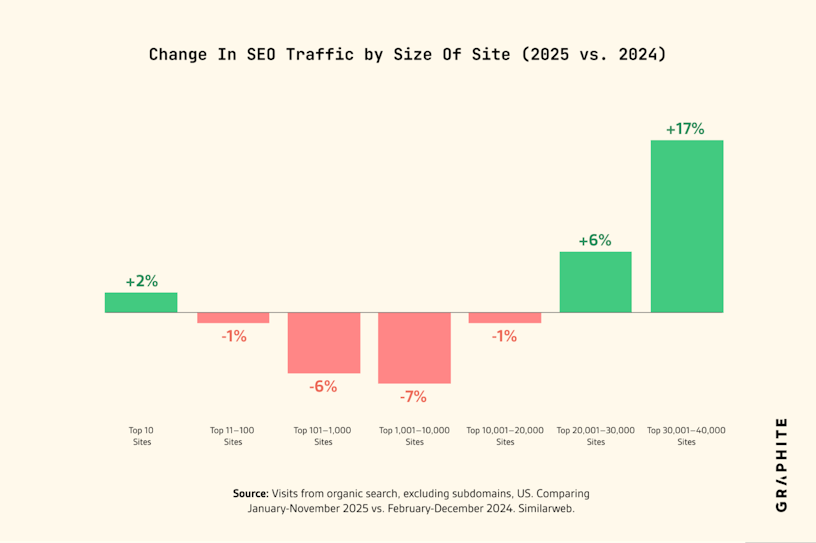
Produce a hundred human blog posts and get them to rank at the top of the very first page. And anybody who composes better human material will rank higher in positions 1-3. The 2nd route is slower, but can yield greater ranking positions and more trust with readers.

Latest Posts
Optimizing High-Impact AI-Driven Content Workflows
Modern Content Analysis Tools for Success
How Machine Learning Reshapes Digital Marketing Strategies